
Ask most beauty therapists or aesthetics practitioners what they wish they'd learned earlier in their career, and the answer comes up with surprising regularity: the why. Not how to perform a treatment, not which product to recommend, not how to follow a protocol from step one to step ten. The why. Why a particular skin condition behaves the way it does. Why a treatment that works brilliantly on one client produces almost no result on another. Why results that were consistent for months suddenly stop being consistent at all.
This is the gap that sits in the middle of most beauty education, and it's a gap that skin science training courses are specifically designed to fill. Not by replacing practical training, but by building the foundational understanding that makes everything else click into place properly.
The Problem With Protocol-Led Training
Most beauty qualifications are structured around doing. You learn how to perform a facial, how to apply a chemical peel, how to use a particular device or follow a brand's recommended treatment steps. This is genuinely useful as far as it goes. But it creates practitioners who are confident when things go according to the protocol and uncertain the moment something deviates from it.
That deviation happens constantly in clinic. A client's skin reacts unexpectedly. A product that worked last time causes irritation this time. A condition that should be improving isn't, and the practitioner can't identify why. When your entire training is built around following steps rather than understanding skin, these situations become genuinely difficult to navigate. And because the industry moves forward with new ingredients, new devices, and new treatment modalities regularly, protocol-only knowledge has a short shelf life.
Understanding the underlying science changes this entirely. When you know how the skin barrier functions and what compromises it, you can look at a client's reactive skin and understand what's happening rather than just reacting to the symptom. When you understand inflammation at a basic cellular level, you can recognise when a treatment is appropriate and when it's likely to make things worse. When you understand how active ingredients interact with skin chemistry, you can make informed decisions about what to use and in what combination, rather than following a printed guide that wasn't written with your specific client's skin in mind.
What Skin Science Education Actually Looks Like
Good skin science training isn't about memorising biological terminology or working through textbooks designed for dermatologists. It's about building practical understanding in a structured, accessible way, layer by layer, so that concepts connect rather than sitting in isolation.
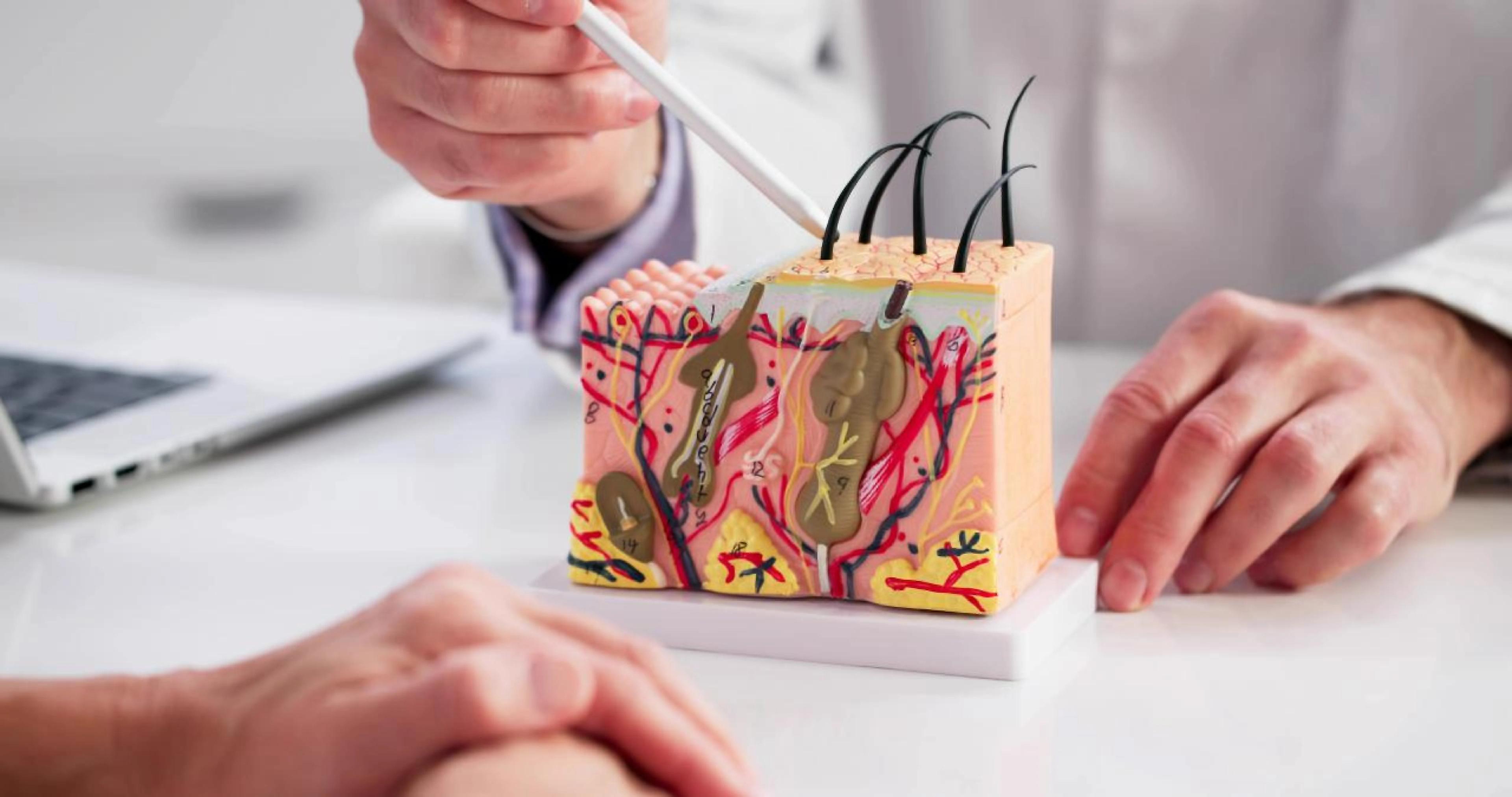
That typically means starting with how the skin is actually structured and what each layer does, moving through how the barrier functions and what happens when it's compromised, then covering how common skin conditions develop rather than just what they look like, and from there into how ingredients work at a cellular level and how treatments interact with skin physiology. The goal throughout is understanding that can be applied in clinic, not information that gets filed away and forgotten.
The Skin Edit is built around exactly this philosophy. Its approach starts with the skin itself rather than the treatments performed on it, helping practitioners build genuine understanding from the ground up. That includes working through why results feel inconsistent, how to make more confident treatment decisions, and how to stop second-guessing conclusions when a client's skin isn't behaving the way the protocol suggested it would.
Who Actually Benefits From This Kind of Training
The assumption is often that skin science education is for people just starting out who want a stronger foundation before entering the industry. In practice, experienced practitioners frequently find it just as valuable, sometimes more so, because they bring real clinical situations to the learning. They've already encountered the confusing cases, the unexpected reactions, the clients whose skin doesn't respond the way it should. The science fills in the explanations they were missing.
Newly qualified therapists benefit from building good habits of thinking early, before years of protocol-following make it harder to develop curiosity about what's actually happening beneath the surface. Practitioners looking to move into more advanced treatments find that a solid understanding of skin science is essentially a prerequisite for working confidently at that level. And skincare retail staff who want to give genuinely informed advice rather than product-led recommendations find that understanding the skin helps them have very different conversations with customers.
The Long-Term Value of Understanding Over Memorising
The beauty industry is not short of training courses. What it is short of is training that gives practitioners the kind of grounded, adaptable knowledge that holds up when clients present with something unexpected. Protocols get updated, products get discontinued, trends shift. The science of how skin actually works doesn't change in the same way. Investing in that understanding is the kind of professional development that pays back across an entire career rather than just for the next few months.