

What Your Pool Actually Needs to Stay Clean, Safe and Ready to Use All Season
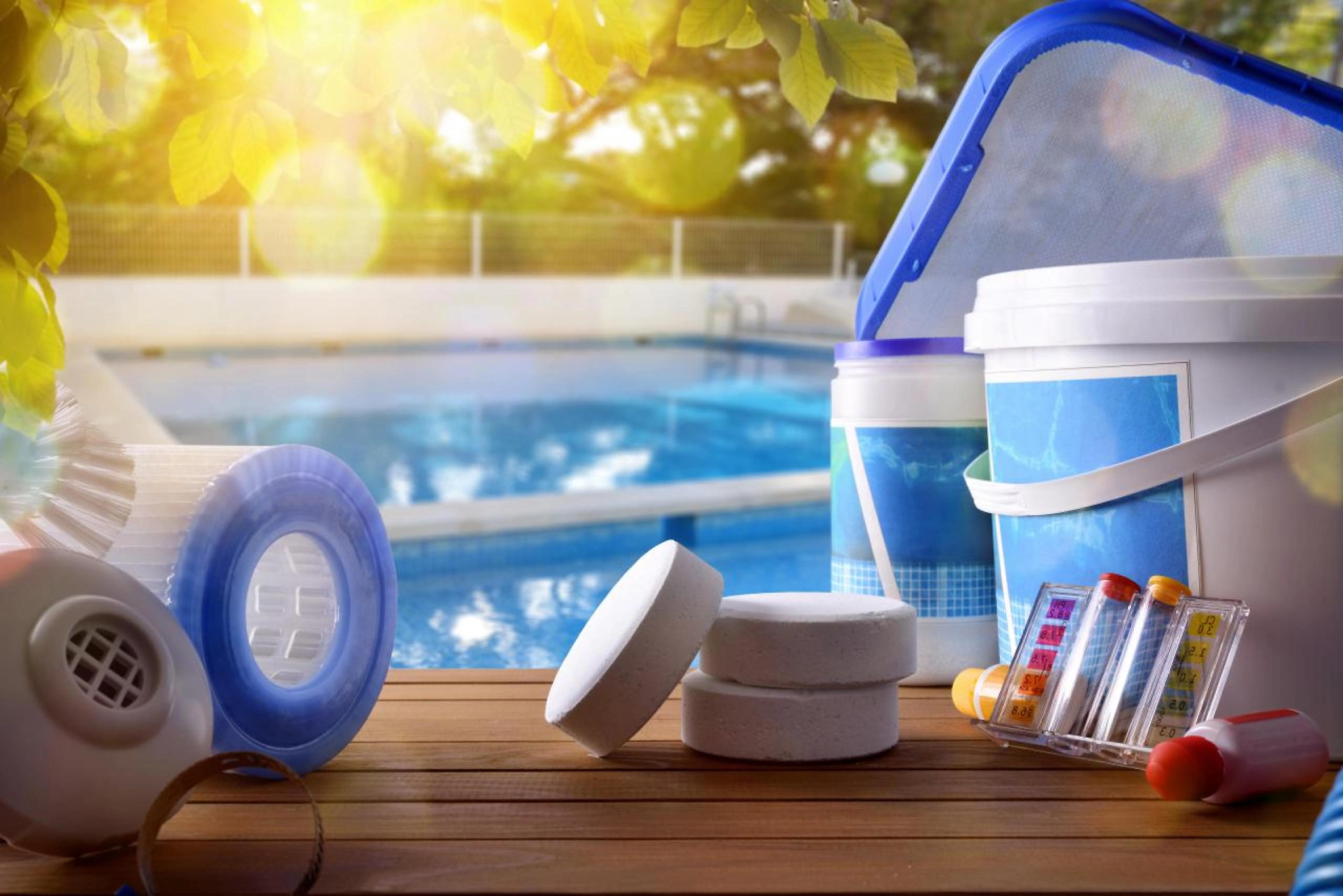
Pool ownership tends to feel straightforward until it isn't. For the first season or two, most owners manage reasonably well, keeping on top of the basics and enjoying the water without too much trouble. Then something shifts. The chemistry gets away from them during a warm spell, the filter starts underperforming, algae appears despite having added chlorine, or the water goes from clear to cloudy seemingly overnight. By that point, working out what went wrong and putting it right costs considerably more time, money, and frustration than the routine that would have prevented it.
Getting the right swimming pool supplies in place, from chemicals and equipment through to covers and cleaning tools, is where consistent pool maintenance actually starts. Aquascape has been supplying and supporting pool owners across Gloucestershire, Oxfordshire, Bristol, the Cotswolds and the wider South West for over thirty years, covering both indoor and outdoor pools across the full range of what a pool needs to perform properly throughout the year.
Water Chemistry Is More Interconnected Than Most People Realise
The instinct when pool water looks off is to add more chlorine and hope for the best. This works sometimes and fails entirely at other times, because chlorine's effectiveness depends heavily on the other parameters in the water. If pH is sitting outside the recommended range, chlorine becomes significantly less efficient as a sanitiser even when it's present at the right concentration. If alkalinity is too low, pH will swing erratically when chemicals are added, making it almost impossible to stabilise the water without understanding what's driving the movement.
The key parameters worth understanding and monitoring regularly:
pH should sit between 7.2 and 7.6 for comfortable swimming and effective sanitation. Below this range, water becomes acidic enough to irritate eyes and skin and corrode equipment over time. Above it, scale forms on surfaces and in pipework and chlorine loses potency
Free chlorine needs to remain within the correct range for the pool's volume and bather load, not simply be present in some amount
Total alkalinity acts as a chemical buffer, controlling how much pH moves in response to treatment. Getting this stable makes everything else easier to manage
Stabiliser concentration affects how quickly chlorine breaks down under UV exposure, which matters considerably for outdoor pools during summer
Shock treatment clears the water of combined chlorine and organic contamination after periods of heavy use or warm weather, restoring the pool's ability to sanitise effectively
Using the right products for your specific pool type, whether chlorine, bromine, or a saltwater system, and understanding how they interact with each other is the foundation of getting water quality right consistently rather than by accident.
Equipment: What It Does and What Happens When It Doesn't
The filtration system is doing continuous work behind the scenes, and its condition determines how effective everything else in the maintenance routine actually is. A pump operating below its rated efficiency means water isn't circulating properly, which creates areas of poor sanitation and allows debris to settle. A filter that's partially blocked or running with degraded media removes less contamination from the water than it should, which means chemical treatment has to work harder to compensate, often unsuccessfully.
Regular backwashing of sand filter systems removes the accumulated debris that reduces filtration efficiency. Cartridge filters need cleaning and periodic replacement. Pump baskets and skimmer baskets collect debris that would otherwise reach the filter and need emptying as part of routine maintenance. Heaters, fittings, and the plant room equipment all have wear components that benefit from periodic inspection rather than waiting for a failure to prompt attention.
Aquascape supplies filters, pumps, heaters, and the spare parts that keep established systems running properly. Where older equipment is becoming genuinely inefficient or unreliable, they can advise on whether targeted replacement or a broader upgrade is the more practical route.
Covers, Cleaning Tools and the Practical Side of Upkeep
A well-fitted pool cover does several things simultaneously that make meaningful differences to running costs and the maintenance workload. It significantly reduces heat loss overnight and during cooler periods, which directly affects how hard the heating system has to work to maintain water temperature. It limits the amount of debris, dust, and organic matter that enters the water, reducing the chemical demand and how often the pool needs vacuuming. And it protects the pool during periods of extended non-use, which matters particularly for outdoor pools in the months when they're not being used regularly.
Beyond covers, the everyday cleaning equipment including nets, brushes, and vacuum systems keeps the filtration working at its best by removing material before it breaks down in the water and starts affecting chemistry. A pool that's cleaned regularly on the surface and floor is consistently easier to maintain chemically, and the difference in how much product is needed compared to a pool that's left between cleans is more significant than most people expect.
Getting the Right Advice Before Buying
Different pools have genuinely different requirements. The right product for a large outdoor pool in a warm summer is not necessarily the right product for a smaller indoor pool used year-round. Pool volume, filter type, heating system, bather load, and whether the pool uses chlorine, bromine, or a saltwater system all affect what's actually needed. Buying on the basis of what worked for a neighbour or what's cheapest on the shelf often leads to poor results that are harder to diagnose than simply not having used the right product in the first place. Aquascape's thirty-plus years of practical pool experience means the advice behind the supplies is as important as the supplies themselves.