

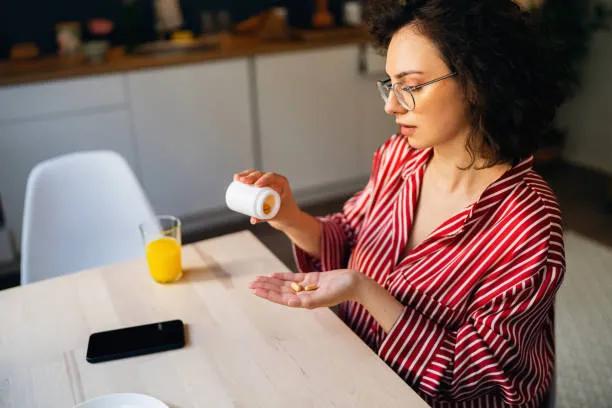
Right, probiotics. Most people go into Boots pick up whatever is on the shelf that looks like it might be good and hope that the probiotics will do something to help them. You cannot really blame people for doing this with the probiotics. The choice is mental, the packaging talks in riddles, and unless you fancy an evening reading medical studies, working out what's actually useful is impossible.
Thing is, Probiotics for Women matter for specific reasons that don’t apply the same way to men, and the science has actually caught up quite a bit lately. So here’s what they do, where the evidence is solid, and how to pick something that isn’t just expensive wee.
Your Gut Affects Way More Than You Think
Probiotics still get treated like something you take when you've got a dodgy stomach. That's selling them massively short. All those bacteria living in your gut, your microbiome, they're involved in your immune system, how hormones get processed, your mood, your skin, whether you feel knackered all the time. Digestion's just one part of it.
For women it gets complicated because hormones are all over the place. Your cycle, pregnancy, menopause, these all mess with gut bacteria. When that balance goes wrong, you don't just get bloating. You get tiredness, mood swings, skin playing up, infections that keep coming back. All of it can trace back to gut bacteria being out of whack.
Probiotics, the right ones taken properly, can help sort that balance. Not a miracle cure. Just stuff that actually works if you stick with it.
Vaginal Health Is Where It Actually Gets Interesting
This is where the research for women gets really specific and stops being vague. A healthy vaginal microbiome needs Lactobacillus bacteria. These keep everything acidic enough that harmful bacteria and yeast can't take hold. When Lactobacillus drops off, you're looking at bacterial vaginosis, thrush, UTIs, the lot.
Recent studies, proper ones not just marketing flannel, show that specific strains work. Lactobacillus rhamnosus GR-1 and Lactobacillus reuteri RC-14 in particular. Women who get recurrent BV or UTIs have seen genuine reductions taking these. Not woolly wellness claims. Actual results from clinical trials.
The catch is you need the right strains. Random probiotics from the supermarket might not have them. If you're taking probiotics for vaginal health, check the packet actually lists these strains. Otherwise, you're throwing money away.
Hormones Mess With Your Gut Constantly
Women deal with hormone shifts men don't experience, and these directly affect gut bacteria. Oestrogen and progesterone going up and down during your cycle changes how your gut moves food through. Some women get constipated before their period. Others get the opposite problem. It's not random bad luck; it's hormones.
Menopause is where it gets proper complicated. Gut bacteria diversity drops. Lactobacillus in your vaginal microbiome falls off as oestrogen declines. Both of these have knock-on effects. New research links low vaginal Lactobacillus to worse menopausal symptoms including dryness and discomfort.
Probiotics for managing menopausal health is getting loads more attention in 2026. Not instead of HRT or other treatments, but alongside them as another tool that might help.
The Connection Between Your Gut And Brain Is Real
Your gut is where most of your serotonin is produced. Your gut is always talking to your brain through the vagus nerve. When the bacteria in your gut change, it affects how the chemicals in your brain are made. Some studies have shown that certain types of Lactobacillus and Bifidobacterium can really help with anxiety and make your mood better for people whose stomachs get upset when they are stressed.
For women who have mood swings when they have PMS or who get anxious when they are going through perimenopause or who get stomach problems when they are stressed, the connection between your gut and brain is something to think about. It is not a replacement for talking to a therapist or taking medication. It is something that can help you in a practical way, and just eating healthy food may not be enough to make a difference. The gut-brain connection is worth paying attention to because it can make a difference in how you feel.
How to Pick Something That Actually Works
The probiotics market is absolutely massive and quality varies wildly. Few things separate the decent stuff from the snake oil.
CFU count matters but not as much as you'd think. Colony-forming units tell you how many live bacteria are in each dose. You need at least a billion per strain for any real effect. But ten billion CFU of a well-researched strain beats fifty billion of random bacteria nobody's studied. Which strain matters more than big numbers.
Getting through stomach acid is the other issue. Loads of probiotic bacteria die in your stomach before reaching your intestines, where they need to work. Gastro-resistant capsules or strains bred to survive acid sort this out. Worth checking whether a product has evidence it actually delivers live bacteria.
Taking them consistently beats taking massive doses randomly. A moderate amount daily for several weeks works better than huge doses taken whenever you remember. Probiotics don't move in permanently. They temporarily shift the bacterial balance and give your immune system a nudge. Stop taking them and the benefit gradually disappears.
If you're on antibiotics, take probiotics a few hours before so the antibiotic doesn't kill the bacteria you're supplementing. And if you've got a serious health condition or you're immunocompromised, talk to your GP first. Basic common sense but worth saying.
The decent probiotics aren't the ones shouting loudest on the packet. They're the ones with specific researched strains, proper delivery mechanisms, and evidence they actually do what they claim. Everything else is probably just an expensive placebo.